InterWell

InterWell

Data conditioning – Seismic inversion – ML driven Characterization – Time depth conversion

InterWell 2026 has been released!

The latest version of our software suite has been released and is available for download by all registered users.

InterWell, the geophysical solution from Beicip-Franlab

The leading-edge software with comprehensive workflows, to conduct end-to-end geophysical studies, from defining your Rocks physics model, running QC and seismic data conditioning, seismic inversion, to subsurface characterization, and depth conversion.

Main features

An evolutive software daily used by specialists in multidisciplinary projects

Data conditioning

Adapted conditioning processes and angle-stacks generation to preserve amplitudes for realistic AVO interpretation during pre-stack inversion.

Seismic inversion

Result of decades of R&D from IFPen, InterWell embeds all leading-edge inversion workflows : post/pre-stack 4D, multi-component, inter-bed multiple modelling, stochastic.

QI Characterization – ML

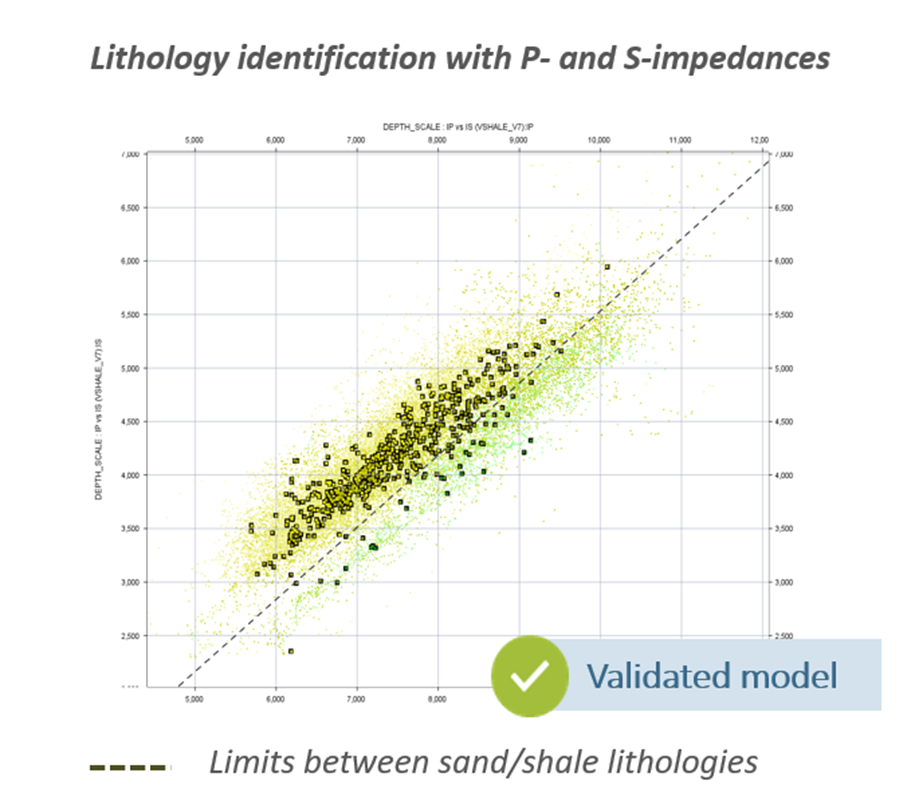
Integrated machine-learning tools support matrix and fracture characterization, helping estimate key rock properties (lithology, porosity, saturation).

Time-Depth conversion

Flexible workflows (log-, map- or formula-based) to build velocity models consistent with your data and geology.

Pore Pressure

Integrated pore-pressure workflow, combining seismic velocities, well logs and compaction trends to estimate overpressure in shales and adjacent reservoirs.

Python Plugin

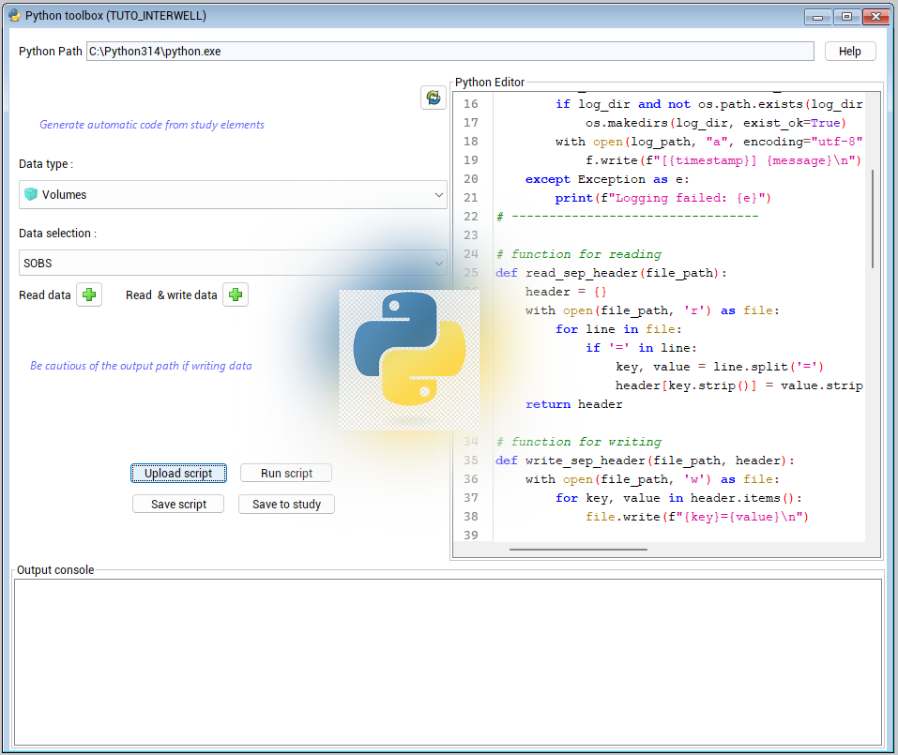
Fully integrated Python environment, giving access to all project data for custom computations, advanced analytics and bespoke workflows.

Data visualization

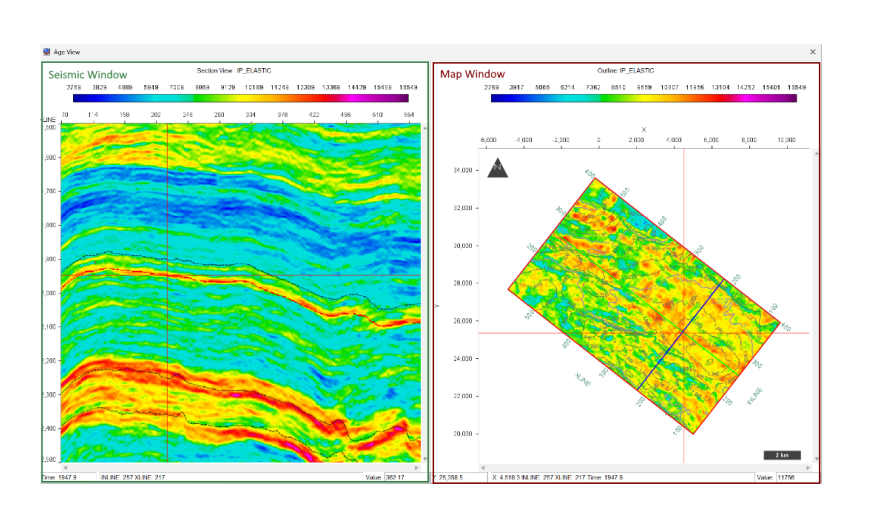
Extract, analyze and visualize data easily (average, minimum, sample count). The Age Viewer enables interactive stratigraphic slicing of 3D volumes.

Well database & EasyTrace Link

InterWell well database and EasyTrace link provide centralized, organized access to all well data, with intuitive visualization and navigation.

0

Years of innovation

0

projects / year

0

countries

0

clients

Handle and visualize a wide range of data types

All types of seismic inversion in the same study. Visualization of data from different surveys / CRS management and conversion from one CRS to another:

  • 2D/3D seismic data (sgy)
  • Seismic gathers (conventional, azimuthal)
  • Wells (Las)
  • Horizons
  • Attributes, maps, pointsets, polygons for edits or cultural data (asc…)

Multi-component seismic inversion workflow

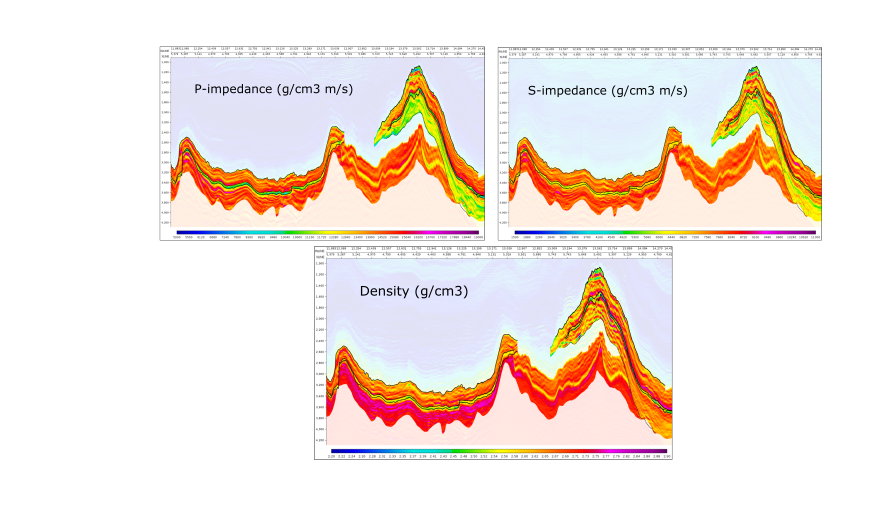
InterWell combines several wavefields, such as PP, PS, SH, SV, with the aim of optimizing an accurate elastic model composed of P-impedance, S-impedance and density. It features a joint inversion considering up to 4 wavefields, which can be weighed, depending on the data quality.

InterWell allows to refine the gamma laws using different methods (horizons, semblance, warping…) to get the most aligned seismics in the objective window and provides seamless conversion from one domain to another for more control.

Linked to the Machine Learning capabilities, the resulting properties are key to estimating the petrophysical and geomechanical properties of the reservoir.
Self-Organizing Maps (SOMs)

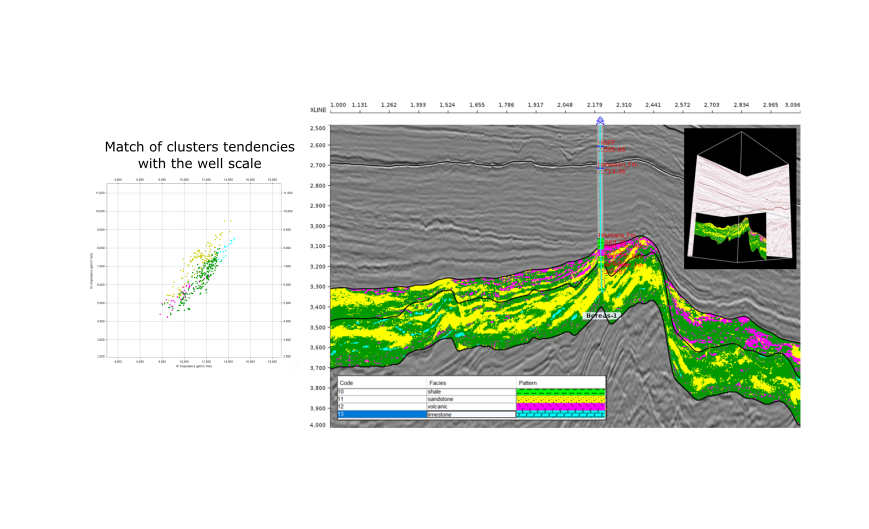
Among the Machine Learning techniques available in InterWell, Self‑Organizing Maps, in their unsupervised version, can help identify typical responses and anomalies based on multi‑attribute seismic data. The method reduces multiple seismic attributes into a low‑dimensional neuron grid, facilitating interpretation through interactive selection.

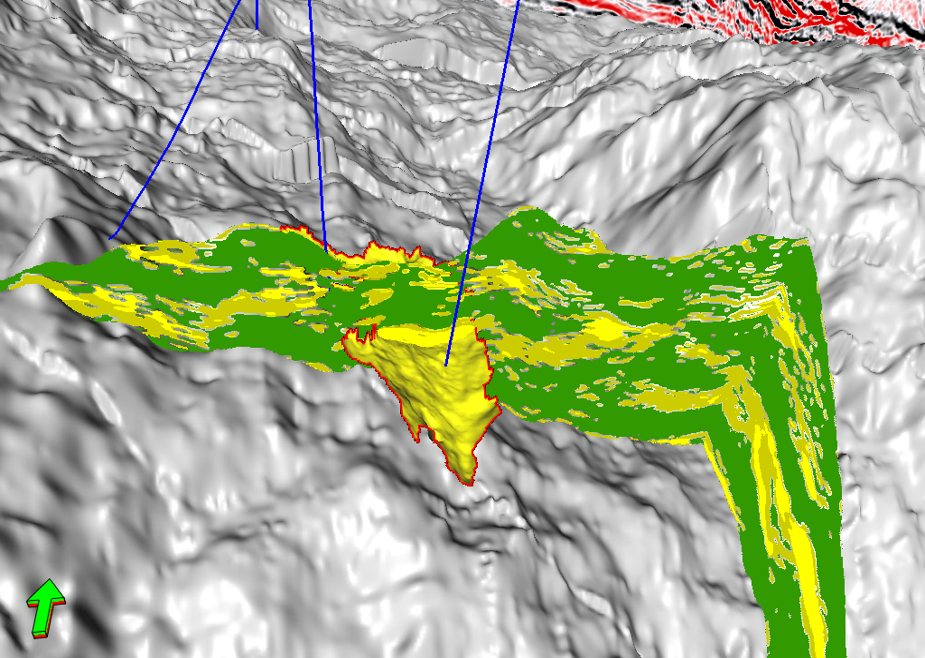
The resulting geobodies can be related to rock properties or geomorphological features, thereby enabling the characterization of subsurface properties. This labeling can also be supervised: Self‑Organizing Maps can be used as classifiers, trained using facies at wells, and these semi‑supervised results provide prediction scores that can be evaluated using accuracy metrics or a confusion matrix.

Use cases

Applying seismic insights across your studies

Extracting insights from seismic data to achieve your objectives and enrich your subsurface knowledge : Exploration / Production / Near Field / New Energies

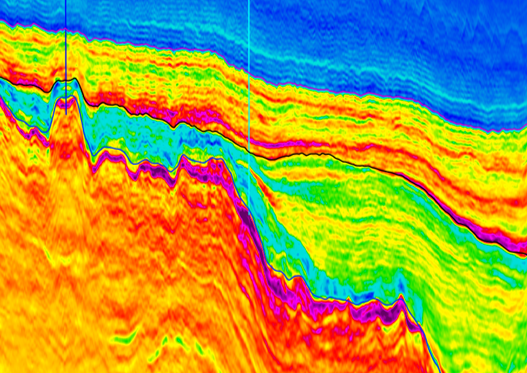
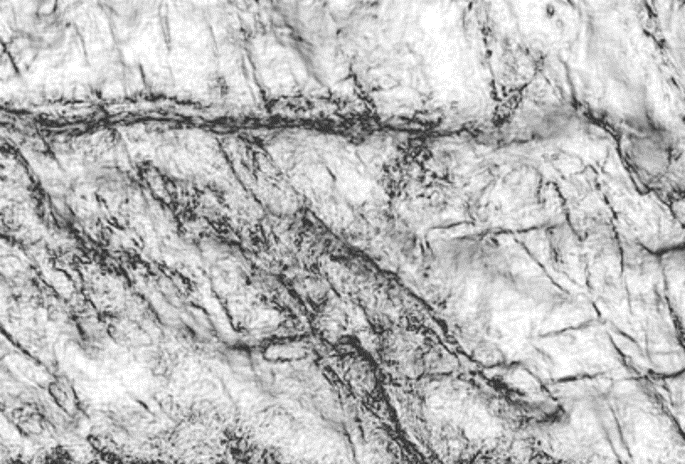
Enhance seismic quality and reveal hidden details

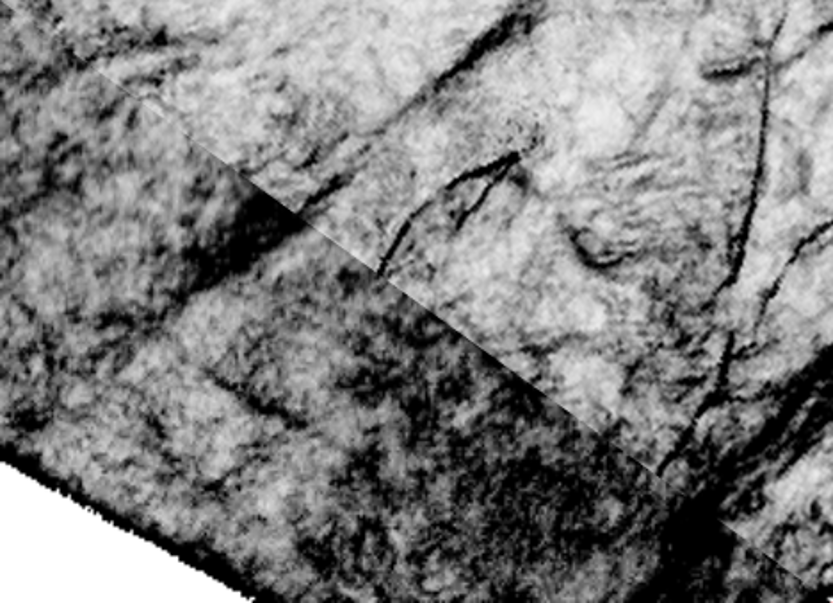
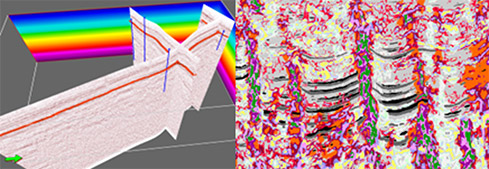
Reliable random noise attenuation & notable seismic quality enhancement.
Unveil details in noisy seismic data.
Fault network : better understanding and is easier to pick.

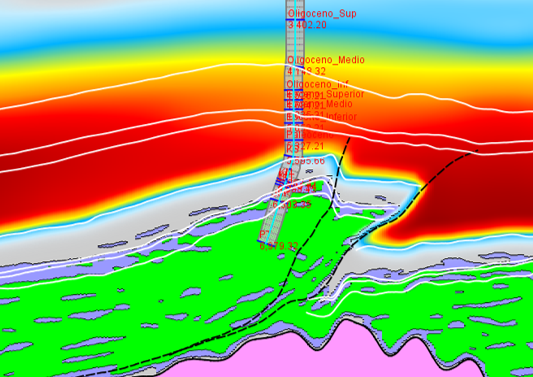
QI – Matrix property prediction

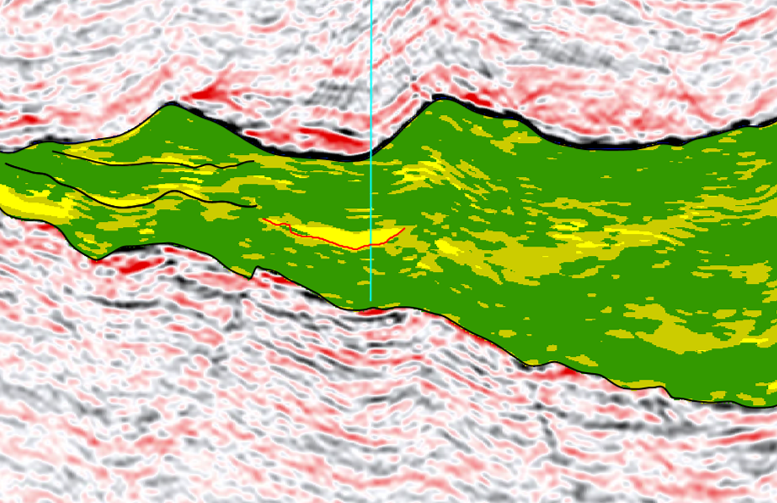
Based on seismic derived attributes, Machine Learning provides powerful tools to determine : Matrix features such as lithology and petrophysical property (such as VSH, Porosity, fluid content…).

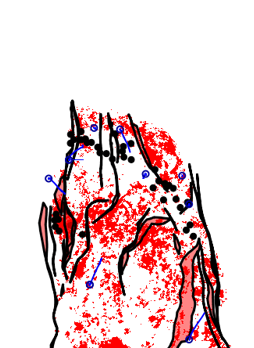
Fault network characterization

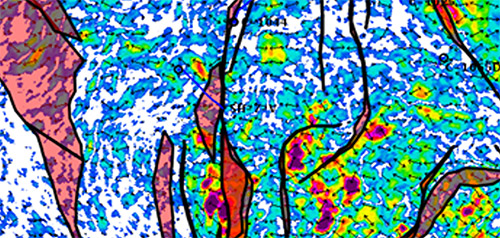
Seismic fracture index combining attributes sensitive to discontinuities in the seismic signal. Through meta-attribute or automatic fractured facies classification.

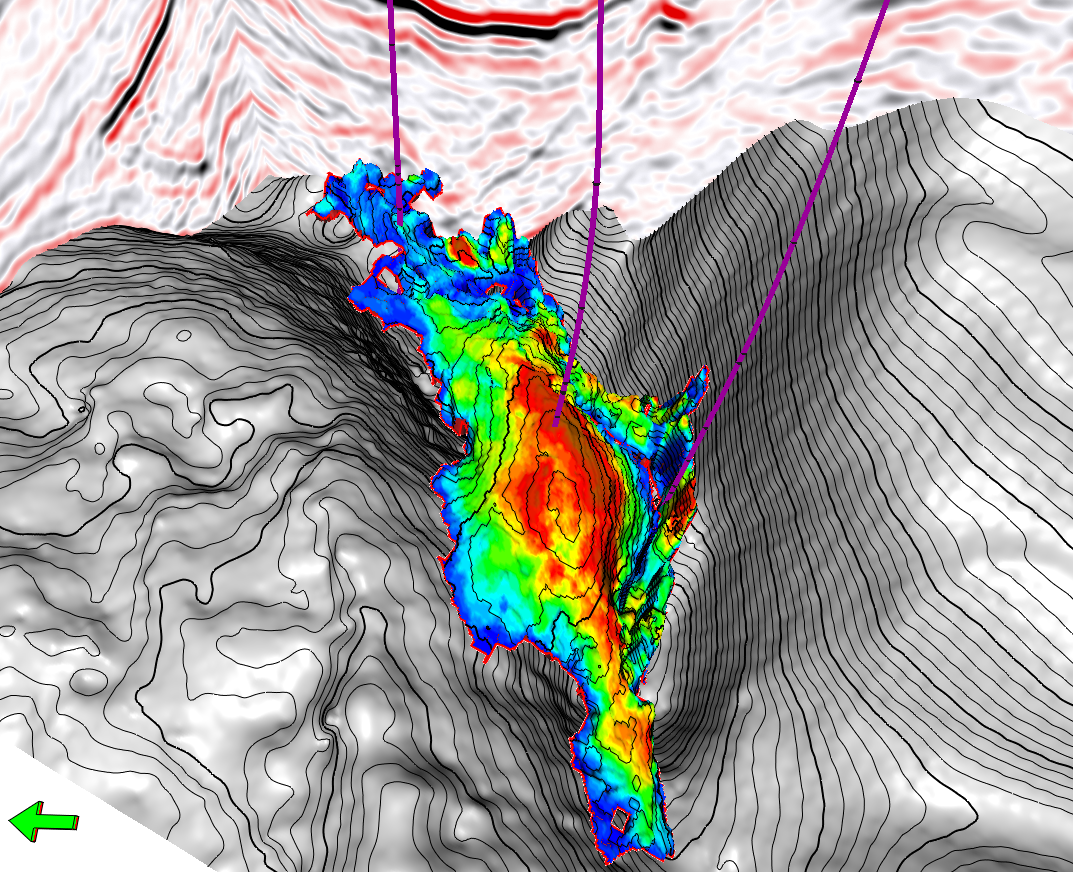
Prospectivity Mapping from Combined Attributes

Integrated analysis of extracted maps (lithology, porosity, fractures, fluids) to highlight the most prospective zones and support optimal well placement decisions.

Pore pressure prediction

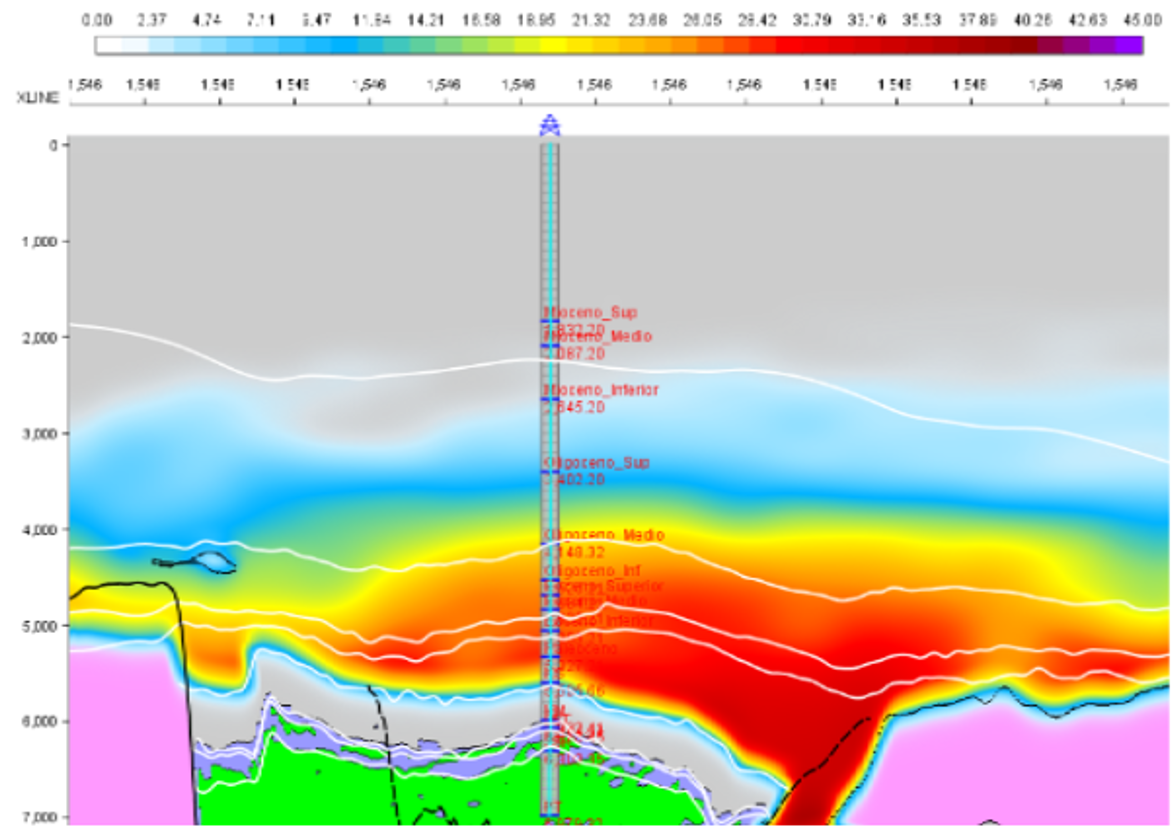
Estimate the pore pressure prediction in 3D to better manage the mud weight needs and to address risk while drilling.

Constraining geological models with seismic results

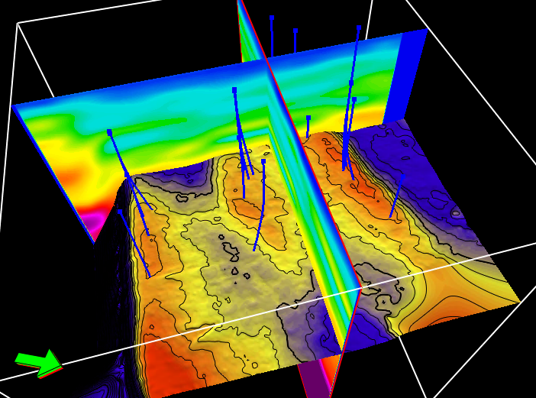
2D – 3D Time-depth conversion and geobodies extraction on reservoir properties (probability of lithologies, porosity, saturation, etc.) can be used as constraints for geological model infilling.

Monitoring CO₂ injection with 4D inversion

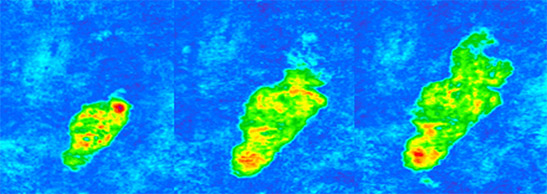
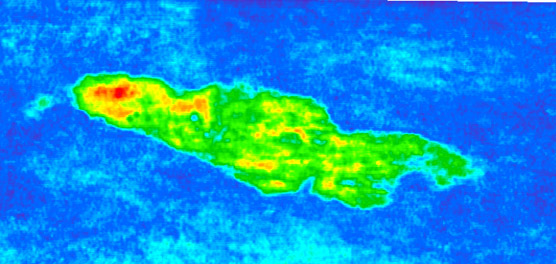
4D inversion and characterization used to monitor the CO₂ gas migration throughout the years. Accurate understanding of the change in the rock properties due to the injection of the CO₂ in the reservoir.
Reliable quantification of injected CO₂ volume.

Geothermal Prospection

Identification of seismic faults and fractures with 2D or 3D attributes.

Identification of karst areas.

Continuous high-porosity layer characterization.

The value behind your seismic data – numerous success stories

Added value azimuthal inversion and characterization

Quantifying the intensity and orientation of anisotropy on velocities and impedances. Identifying sources of anisotropy by combining azimuthal estimation with seismic characterization results

4D elastic inversion: Plume propagation in CO2 storage

4D inversion and characterization used to monitor the CO2 gas migration throughout the years. Reliable quantification of injected CO2 volume.

Empower your seismic data with InterWell

Advanced capabilities used on over 600 projects in over 80 countries to tackle challenges with seismic data

Import and organize project data

InterWell supports gathers, angle-limited or azimuth limited stacks, full-stacks data, either in 3D or 2D surveys. All dataset type can be conditioned and used in semi-guided workflows in the same study, in order to get more comprehension about your field.

Machine Learning Algorithm

InterWell supports effective supervised and unsupervised algorithms, applicable on different data formats (map, horizon-slice and volume), addressing key challenges related to seismic data and derived attributes.

Runs on Windows and Linux

InterWell can be distributed in Windows or Linux system, with a unique and compatible database for both. Its inversion process is deployable in multi-machine or in a cluster to manage huge dataset with the same objective function.

Highly customizable seismic characterization

InterWell inversion is a key step providing added value in every workflow : the evaluation of one or several elastic models corresponding to your data. In all workflows, the inversion parameters can be tuned to smartly eliminate the noise or unrealistic response while conserving the truthful signal.

Ongoing developments

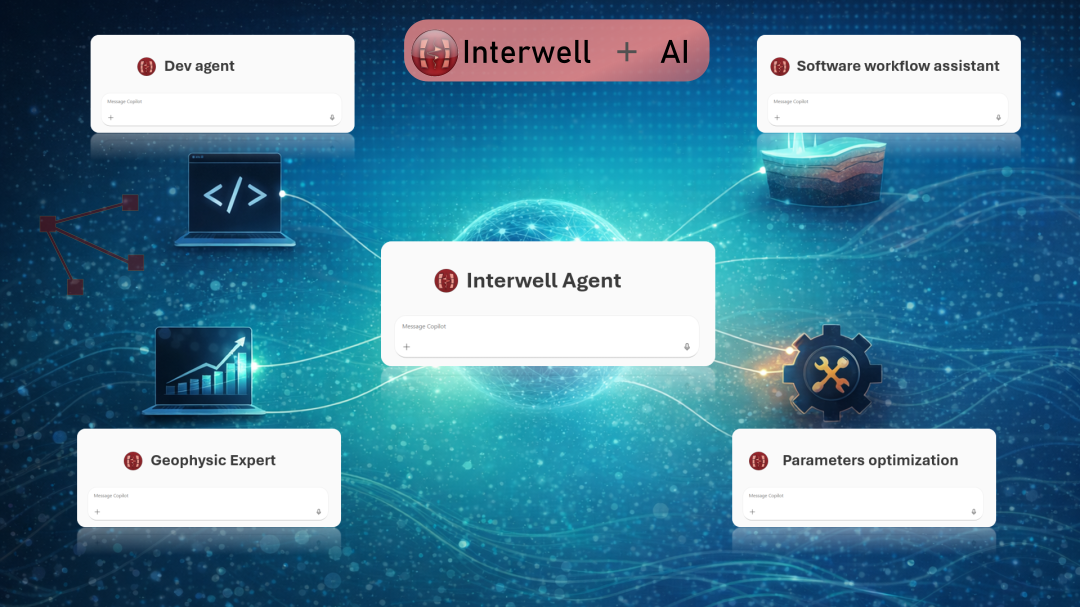
Interwell agent available in Microsoft Copilot.
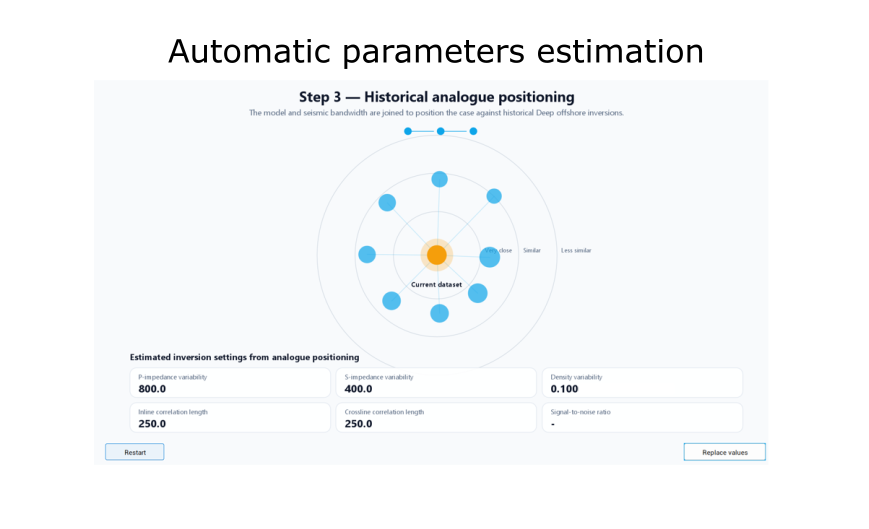
Automatic parameters : Automatically find the optimal settings for your case studies.

Discover InterWell

Download

THE LATEST VERSION


    * required fields